India
Memory costs are pushing Indian laptop prices up: what it means if you buy for AI work
Business Today and Digit report laptop price rises of 15 to 30 percent in India as AI demand squeezes memory supply; here is how that plays out in what we track.
Published 26 Oct 2026
If a laptop or PC quote has come back higher than you expected this year, memory is the reason. Indian analysts say AI data centres are soaking up DRAM and flash supply, and buyers are paying for it. Here is what the reporting says and how it shows up in the listings we track.
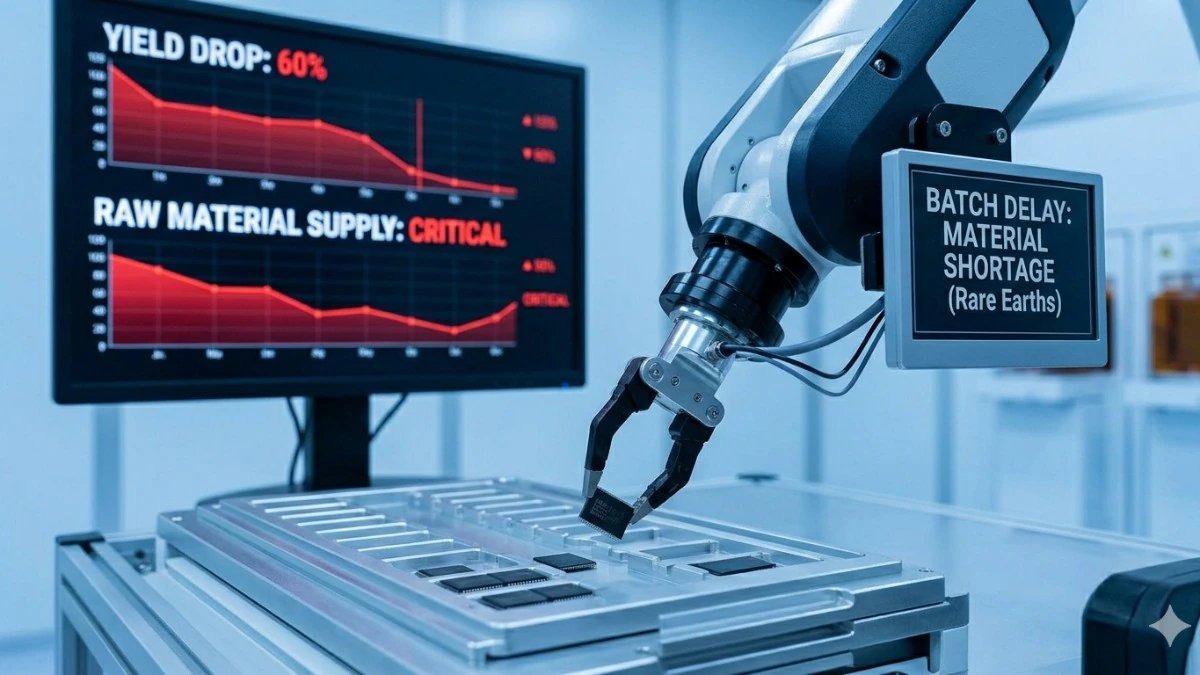
Anyone who budgeted for a new laptop in January and went shopping in October has probably felt it: the same configuration costs more. Business Today's June report puts numbers on it. Dell, HP and Lenovo laptop prices have reportedly risen between 15 and 30 percent in India so far this year, and DRAM prices have nearly doubled over twelve months. The explanation analysts give is simple. AI infrastructure is absorbing memory and flash chips, so device makers that depend on imported components pay more.
Digit's March feature, quoting Counterpoint, IDC and CyberMedia Research, adds the outlook. Counterpoint expects Indian laptop prices to rise 8 to 10 percent across 2026. IDC's Navkendar Singh said notebook prices had already climbed about 15 to 17 percent since December, with another 18 to 20 percent possible, and expects pressure for at least five or six quarters. The segments named as most exposed are gaming laptops, premium thin-and-light machines and AI PCs, because they carry the most memory and the priciest graphics. Counterpoint also expects brands to ship lower configurations instead of one big sticker jump, and says replacement cycles may stretch from five or six years to six or seven.
What it looks like on our tracker
The squeeze is easiest to see in loose memory. A 64GB DDR5 kit is listed at Corsair Vengeance 64GB DDR5-5600 for ₹1,05,539, and the G.Skill Ripjaws S5 64GB DDR5-6000 is at ₹1,16,199. For comparison, the Apple Mac mini M6 with 16GB is ₹99,900 for a complete computer. Neither number is a bargain, and both are a reminder that memory is now a large part of what you pay.
The ASUS ROG Zephyrus G14 with an RTX 5070, 32GB of RAM and a 1TB SSD, the ROG Zephyrus G14 (GU405AP-SY041WS), sits at ₹3,59,990 at the ASUS Store India. Its RAM is soldered, so the amount you buy on day one is the amount you keep.
How to buy sensibly
Business Today's analysts say premium devices are likely to be less affected because brands have more margin to absorb costs, while entry-level models have little room. Digit's sources expect more buyers to look at refurbished or previous-generation machines, and to lean on festive discounts, exchange offers and financing.
For AI work specifically, decide on memory first, because it cannot be added later on soldered machines like the Mac mini and the G14. If a 7B or 8B model is all you plan to run, the 16GB Mac mini is enough, and its page says as much. If you want larger models, plan for more memory at purchase time rather than hoping to upgrade into a cheaper market. Anyone building a desktop should treat a RAM kit as a major line item and compare listings before ordering.
Who should wait: if your current machine works, analysts quoted in both reports expect no quick relief, so waiting for prices to fall is not a safe bet either. Who should buy: anyone whose work is blocked by the old machine, ideally during a sale.
Sources
- Memory crunch, supply shocks set stage for smartphone, laptop price hikes in India by Business Today · Jun 2026
- Laptop prices set to go up in India soon? What analysts and major brands say by Digit
Written by Startbook from the sources above and our own research; each belongs to its publisher. Prices on linked products are live and may differ from those in the sources.